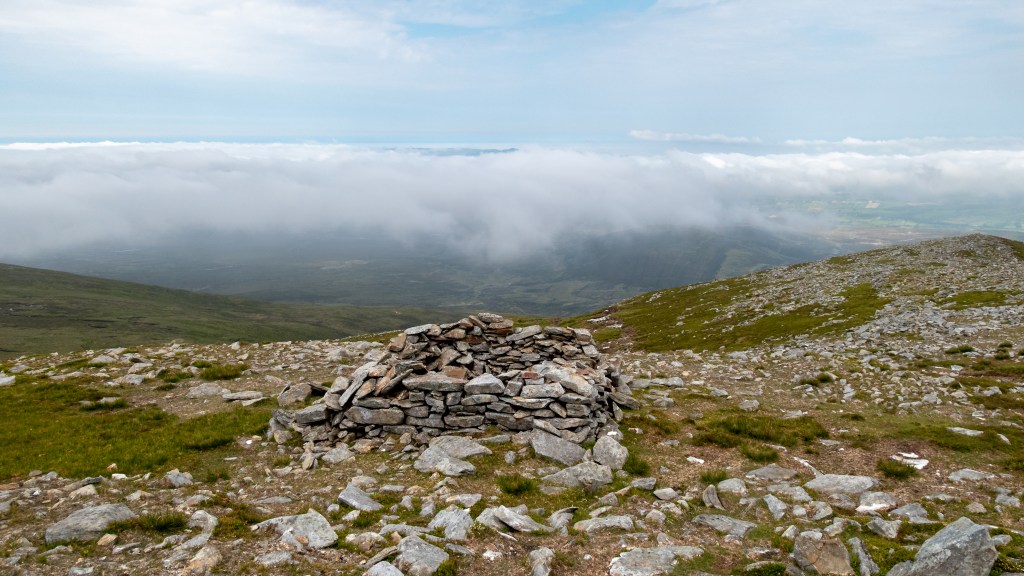
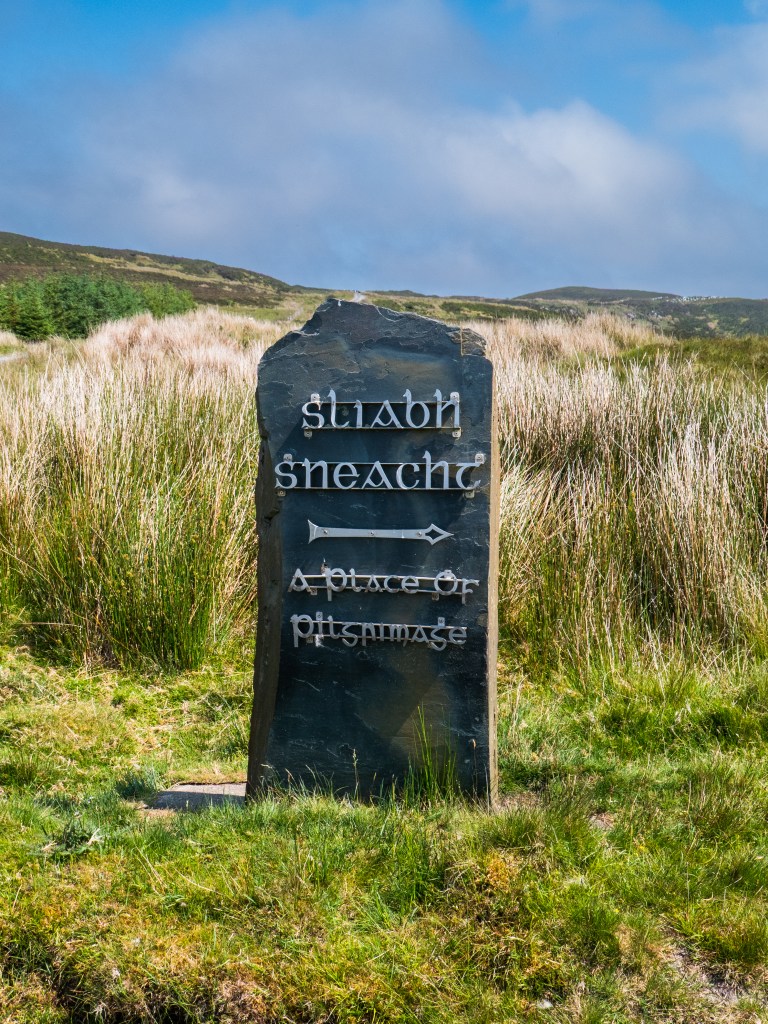
“SLIEVE SNAGHT,
“Friday night, Nov. 11, 1825.
“My Dear Mother,
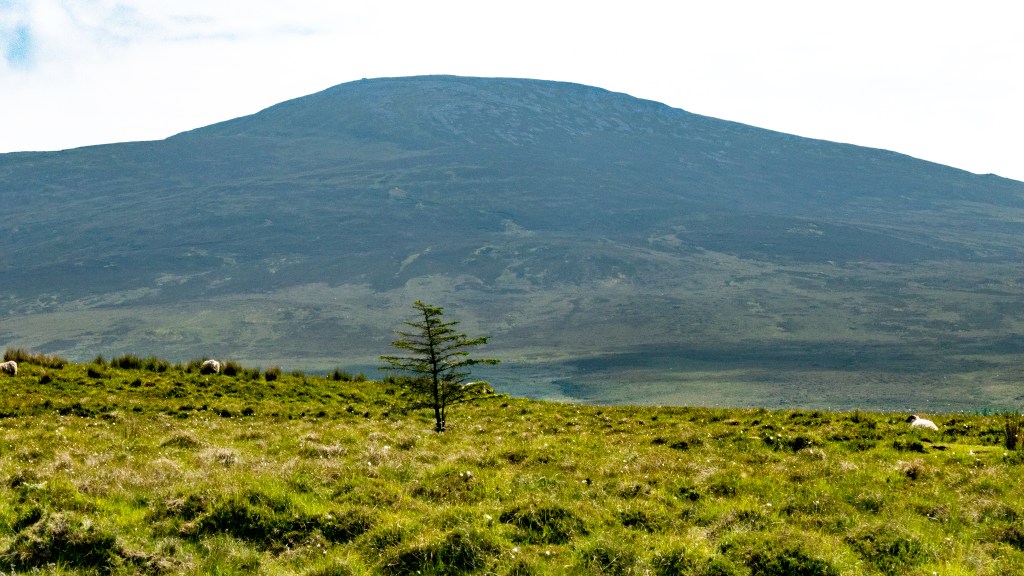
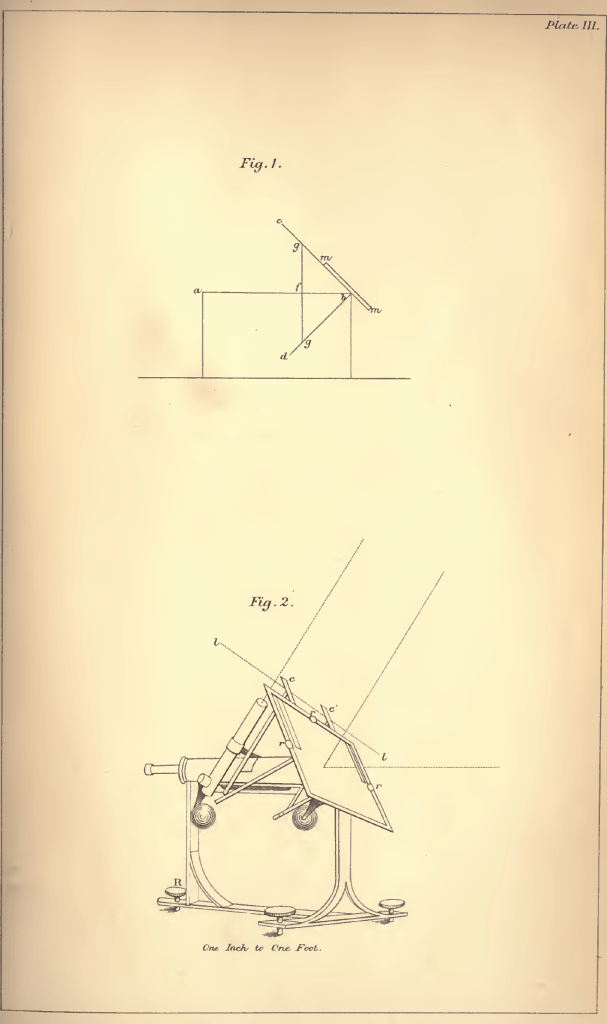
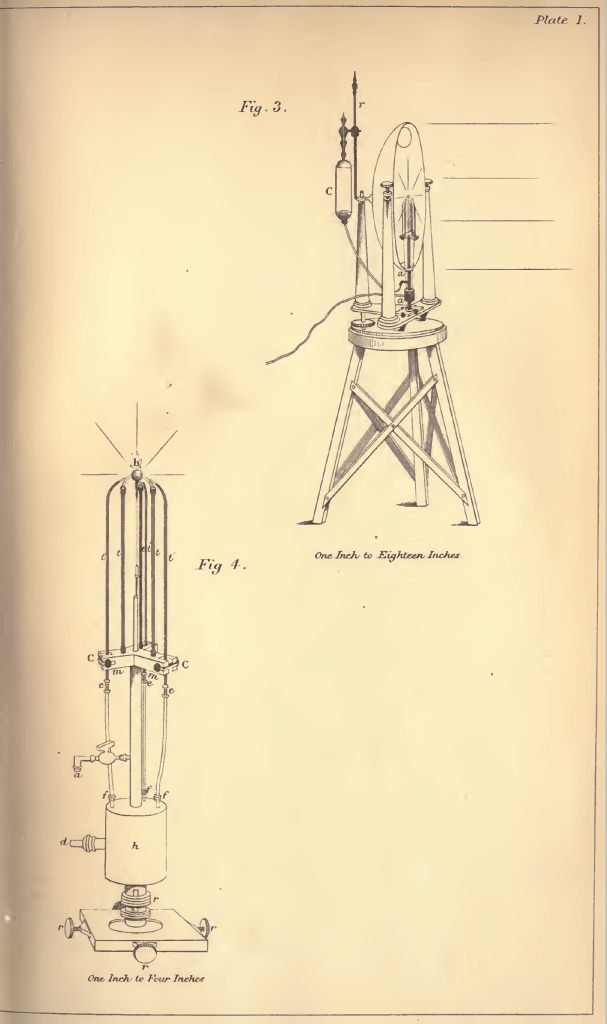
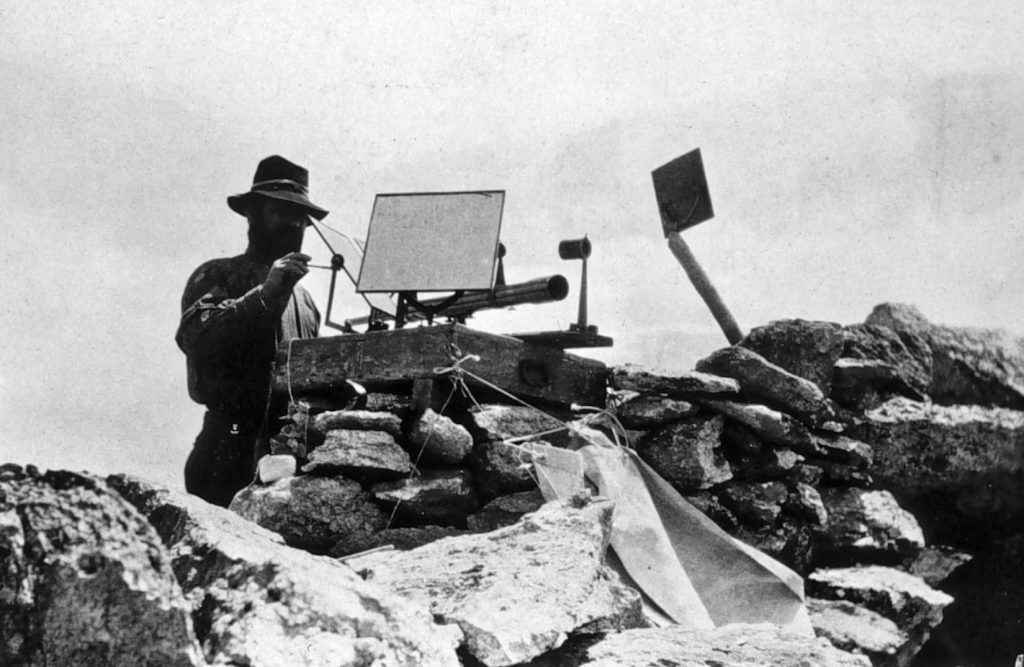
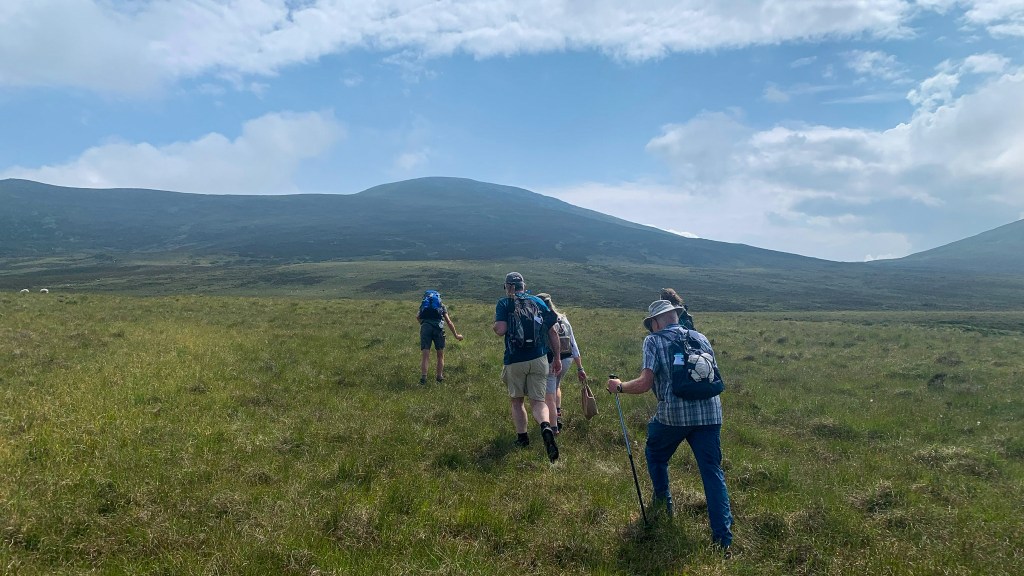
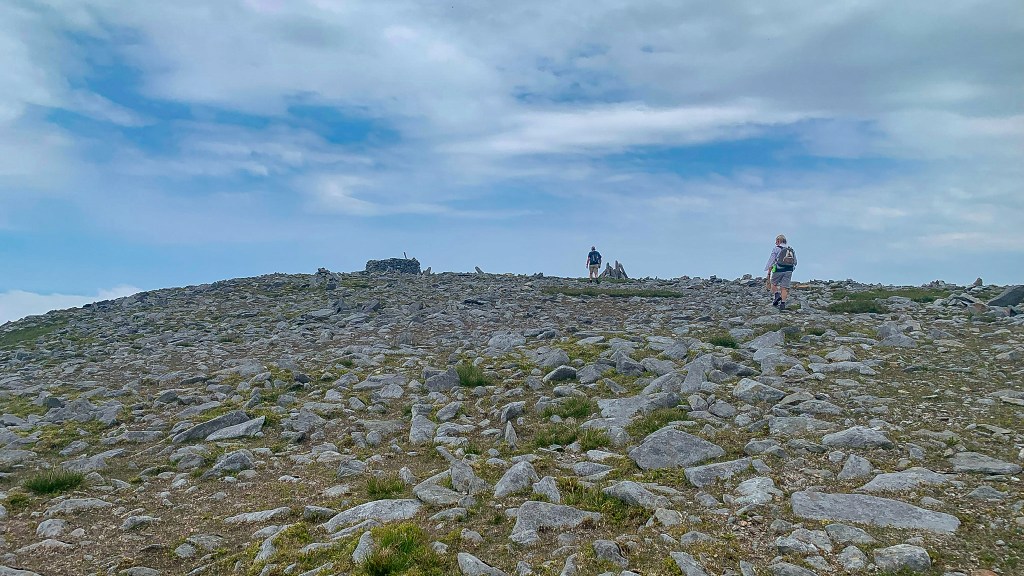
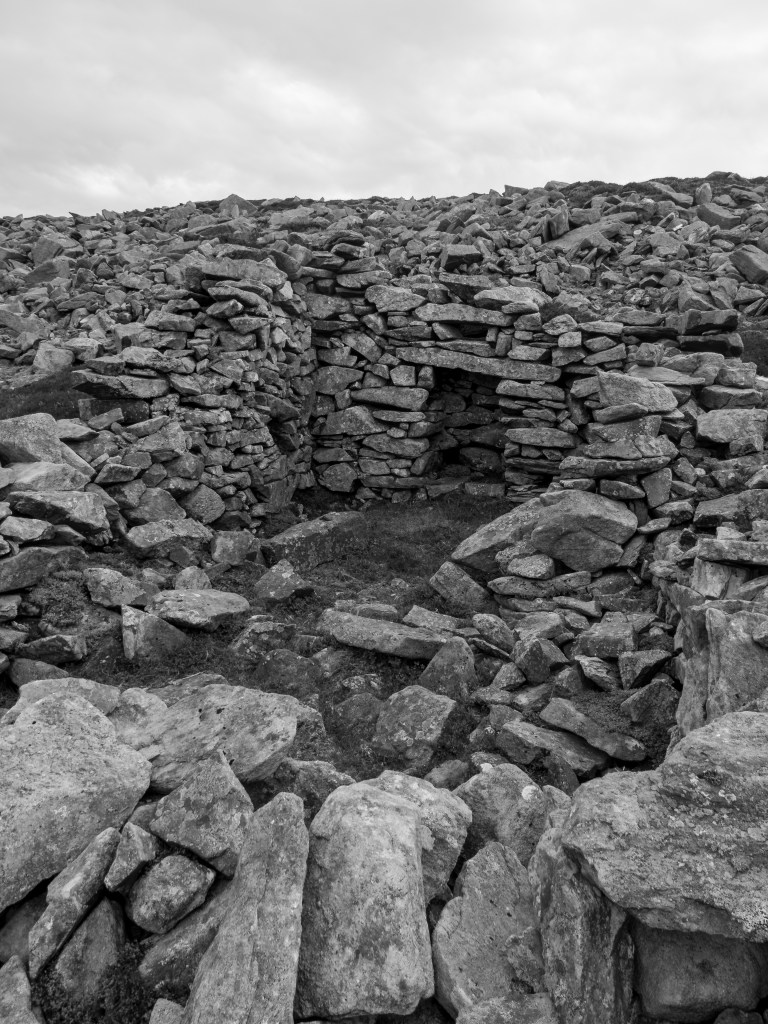
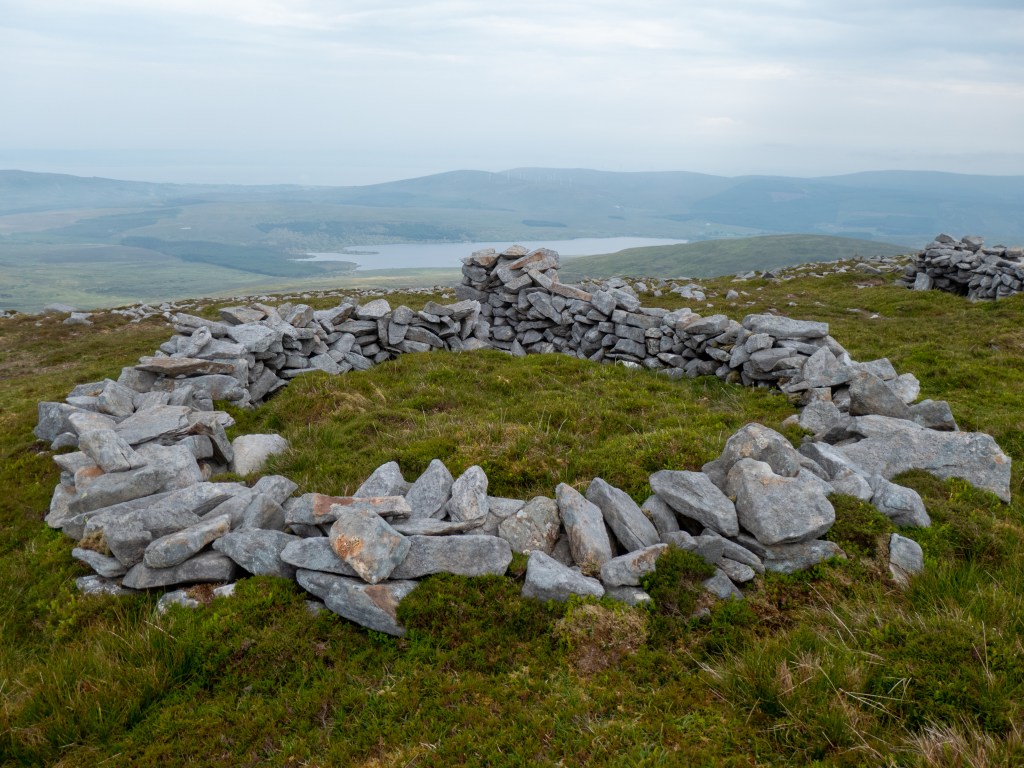
… I am perched upon the top of Slieve Snaght (the Snowy Mountain), 2100 feet high in the centre of Innishowen, the wildest district in Ireland. Since the 23d of August, when a pole was placed on this hill, we have endeavoured to observe it from Divis, near Belfast, on which our tent was placed, but in vain. Constituting an important point in the triangulation of Ireland, our sojourning on the hilltops has been prolonged to an unusually late period, in the daily hope that it would have been visible. Disappointment, however, was our lot, and the weather becoming broken and tempestuous, the colonel determined upon breaking up the camp and retiring to winter quarters. Just at that moment a letter was received from one of our officers encamped on Knock Layd, a hill about 40 miles distant, giving a splendid description of the solar reflection which I had exhibited to him, and which had been seen through a very hazy atmosphere, and seen for a time with the naked eye; and one of our officers tells me that the country people, whom curiosity had attracted to the spot on hearing the distance at which it was placed, actually raised a shout of exultation at its brilliant appearance. This being known at Divis, it became a question whether Slieve Snaght should be attempted at this season; and after due deliberation, it being decided that it should. I made a forced march upon this place, and, leaving Belfast on Tuesday forenoon, slept on this mountain on Thursday night, the 27th October, our tents erected, and hut constructed, and all the apparatus of the lamp ready for work. For the first week our life was a struggle with tempest—our tents blown down, our instruments narrowly escaping, and ourselves nearly exhausted. At length, by great exertions, we got two huts erected, one for the seven men who are with me, the other for me—a lonely and humble dwelling, it is true, and now that the snow has fallen, so completely covered up that it is not very easily distinguished; nevertheless affording good shelter, warm and comfortable, and, at the present moment, with a good peat fire. The weather at length improved, and Wednesday the 9th instant brought our exertions to a successful termination. The colonel, after making the necessary arrangements, took his departure for London on the very day I arrived here, leaving Murphy and Henderson to keep a constant look-out for the lights. Their assiduity has been unremitting, and their fatigue by incessant watching not a little. This day brought me a letter from Murphy, which begins thus: ‘Your light has been most brilliant to-night for three hours and twenty minutes, as was your solar reflection to-day. I began by giving you the pleasing intelligence in a condensed form, but now I must most heartily congratulate you, my dear friend, on the complete success which has thus crowned your very ingenious and laborious exertions for the good of the service. I trust they may eventually prove as beneficial to yourself. I really feel sincere pleasure in making you this communication. I will now give you some details. I first had notice of your appearance from Elliot, who called out that he saw the light, and in fact, though five times more remote, you were much brighter and larger than the Randal’s tower reflector.’ I have given you a long extract, because I think it will interest and please you. I have only to inform you now that the distance in a straight line between the two places is about 67 miles. I had a letter from the colonel to-day in London, very anxious to know the result of our labours. To-morrow I commence my retreat; on Monday I shall be in Derry, where I shall have to remain a day. . . . . From Derry I proceed to Belfast, where I shall be detained two or three days, and then I make direct for Edinburgh. At Belfast I entreat you to let me hear from you, and I am anxious to hear how Eliza bore the journey from Callendar, and how the house is. My last intelligence is her own letter, which I received about the 19th ultimo, on the evening succeeding a gale of wind, which overthrow two of our marquees, and set fire to our cooking-house. I have written you, my dear mother, a long and gossipping letter, and it being now three o’clock in the morning, it is fit that I should stop. To John and Eliza my kindest love, and to Eliza my best thanks for her kind letter. It may amuse my aunt to read this letter to her, and tell her that I add my best regards.—And now, my dear mother, believe me your affectionate son,
T. DRUMMOND”.[1]
Sources and References
[1] From “Memoir of Thomas Drummond” (1867), published online at https://todayinsci.com/D/Drummond_Thomas/DrummondLighthouse.htm?utgpt.com accessed 15/4/2026.
The images come from various sources:
Author’s photographs, Wikipedia and Drummond’s paper “On the means of facilitating the observation of distant stations in geodetical operations” By Lieutenant T Drummond, April 14, 1826, downloaded from The Royal Society Philosophical Transactions, 27.01.2023.
By subscribing, you will be notified of new posts.
